

Medicare Negotiates Lower Prices on 15 High-Cost Drugs
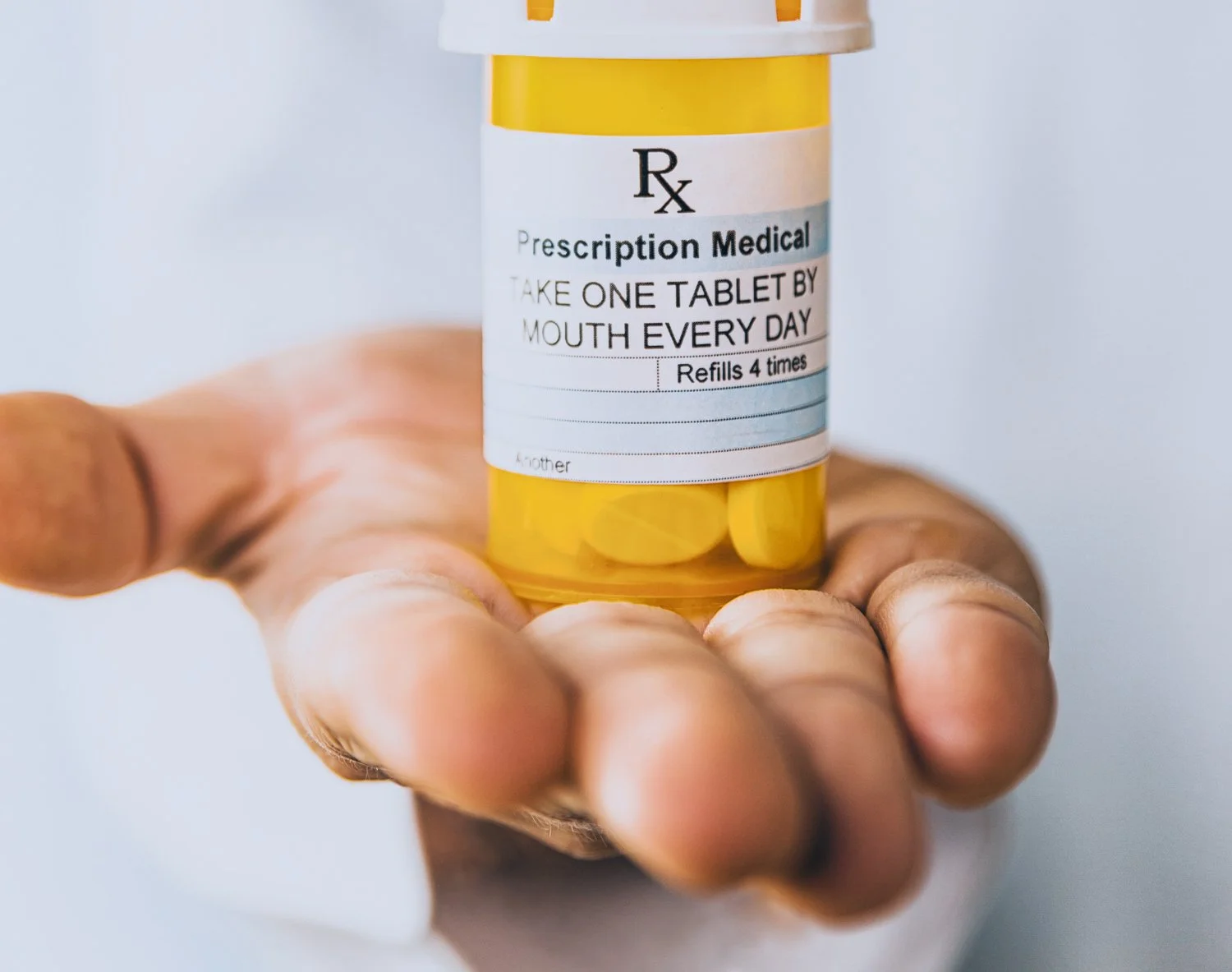
The Centers for Medicare & Medicaid Services (CMS) recently announced negotiated price reductions for 15 high-cost prescription medications commonly used by older adults. The new prices, finalized under Medicare Part D, will take effect on January 1, 2027.
The announcement is part of the ongoing implementation of the Inflation Reduction Act, which gave Medicare authority to negotiate prices on behalf of beneficiaries. This development reflects continued progress toward more affordable access to medications used to treat chronic conditions such as diabetes, cancer, asthma, and gastrointestinal and neurological disorders.
CMS estimates the negotiated prices will significantly reduce Medicare spending and lower costs for people enrolled in Part D plans. Approximately 5.3 million beneficiaries use one or more of the affected medications, which rank among the highest-spending drugs in the Part D program.
By lowering prices on commonly prescribed medications, CMS aims to ease out-of-pocket costs for seniors who rely on long-term or ongoing treatment while also supporting the long-term sustainability of the Medicare program.

The following brand-name medications were selected for negotiated pricing in the 2027 benefit year. These drugs do not currently have generic or biosimilar alternatives and account for billions of dollars in annual Medicare spending:
Ozempic, Rybelsus and Wegovy — Type 2 diabetes, cardiovascular disease and weight management
Trelegy Ellipta — Asthma and chronic obstructive pulmonary disease (COPD)
Breo Ellipta — Asthma and COPD
Tradjenta — Type 2 diabetes
Janumet and Janumet XR — Type 2 diabetes
Xtandi — Prostate cancer
Ibrance — Breast cancer
Pomalyst — Multiple myeloma and Kaposi sarcoma
Ofev — Idiopathic pulmonary fibrosis
Linzess — Chronic idiopathic constipation and irritable bowel syndrome with constipation
Calquence — Chronic lymphocytic leukemia and mantle cell lymphoma
Austedo and Austedo XR — Chorea associated with Huntington’s disease and tardive dyskinesia
Xifaxan — Hepatic encephalopathy and irritable bowel syndrome with diarrhea
Vraylar — Bipolar I disorder, major depressive disorder and schizophrenia
Otezla — Plaque psoriasis, psoriatic arthritis and oral ulcers associated with Behçet’s disease
Before enactment of the Inflation Reduction Act, Medicare was prohibited by federal law from negotiating prescription drug prices directly with manufacturers. That restriction limited the program’s ability to manage costs, even for widely used and expensive medications.
Under the current framework, CMS establishes maximum fair prices, which are the highest amounts Medicare will pay for selected drugs under Part D plans. The goal is to balance affordability with continued access to clinically important therapies.
For members who take one or more of these medications, negotiated pricing is expected to reduce out-of-pocket costs once the changes are reflected in plan formularies. Employers and plan sponsors may also see longer-term cost stabilization as additional high-expenditure drugs are selected for negotiation in future years.
For more information about the Medicare Drug Price Negotiation Program, please click here.
Pacific Federal is a Zenith American company and subsidiary of Harbour Benefit Holdings, Inc.